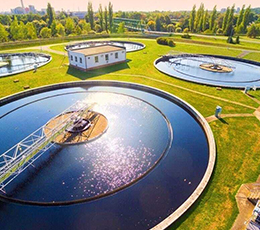
Water treatment is critical for keeping our drinking water, food processing, and industrial systems safe from harmful bacteria and viruses. Traditional chemicals like chlorine have been used for decades, but they come with serious problems like toxic byproducts and strong chemical smells.
That’s where peracetic acid (PAA) comes in as a modern, safer alternative. This complete guide will explain what peracetic acid is, how it works, and why more facilities are switching to PAA water treatment systems today.
What is Peracetic Acid (PAA)?
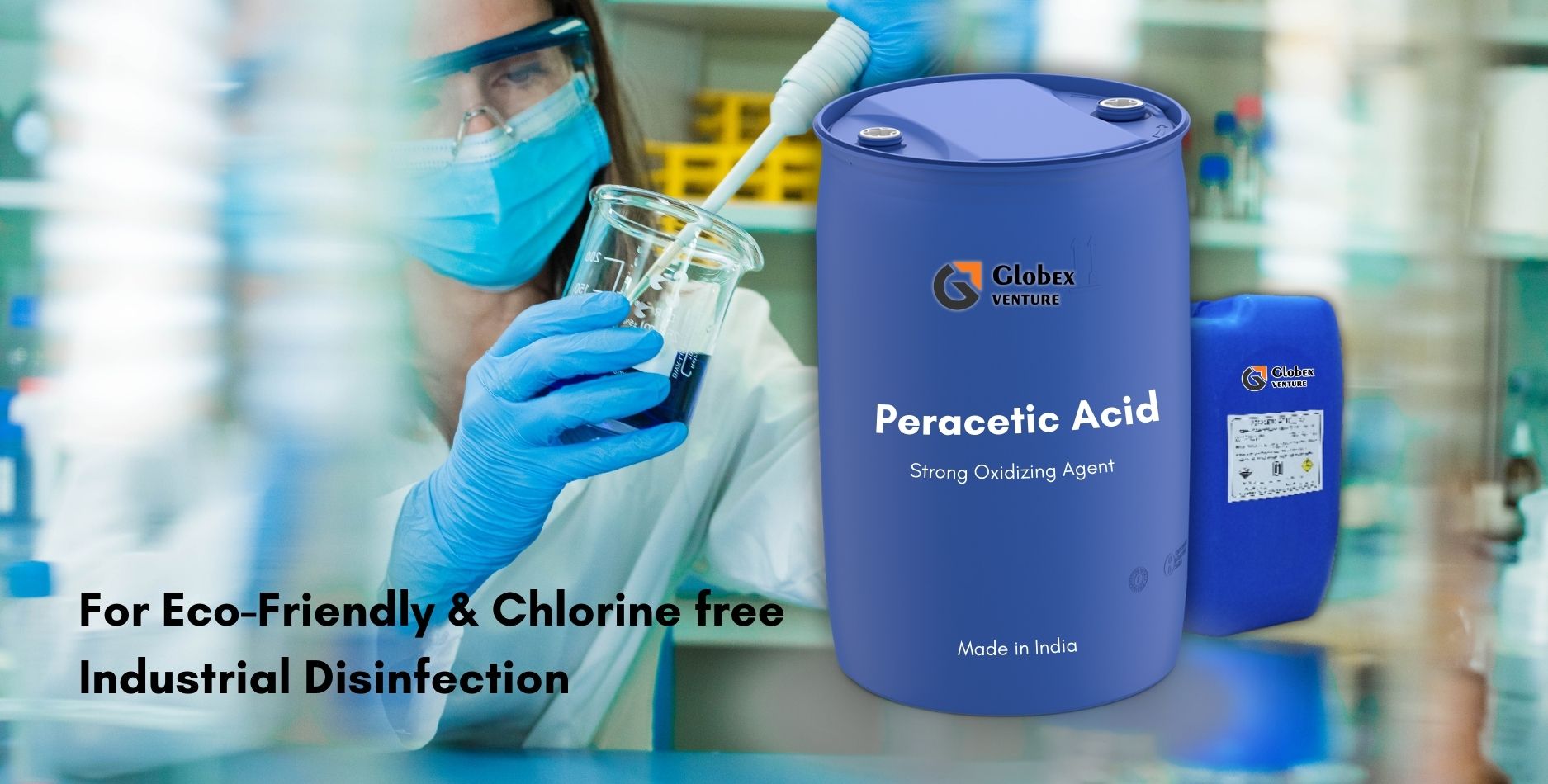
Peracetic acid is a powerful disinfectant made by combining acetic acid (vinegar) with hydrogen peroxide. It appears as a clear, colorless liquid with a sharp, vinegar-like smell that’s hard to miss.
Scientists discovered this chemical over 100 years ago, but it’s become popular in water treatment only in recent decades. PAA is also called peroxyacetic acid and has the chemical formula C₂H₄O₃ (or CH₃CO₃H), making it a strong oxidizing agent that kills germs effectively.
Key Facts About PAA:
Chemical Name: Peracetic Acid (Peroxyacetic Acid)
Chemical Formula: C₂H₄O₃
CAS Number: 79-21-0
Molecular Weight: 76.05 g/mol
Appearance: Colorless liquid with vinegar-like odor
How Does Peracetic Acid Work in Water Treatment?
Peracetic acid works by releasing oxygen atoms that attack and destroy the cell walls of bacteria, viruses, and fungi. When PAA contacts germs, it breaks through their protective layers and damages their DNA and proteins inside.
This oxidation process happens very fast, typically killing 99.9% of harmful microorganisms in just 5 to 15 minutes. Unlike other disinfectants, PAA doesn’t need special pH levels to work effectively, making it reliable in different water conditions across all industrial applications.
Top Uses of Peracetic Acid in Water Treatment
PAA is used in many water treatment applications because it’s so versatile and effective. Municipal water plants use it to disinfect drinking water without creating toxic byproducts like chlorine does.
Food processing facilities rely on PAA to clean fruits, vegetables, and equipment safely without leaving chemical residues. Industrial plants use peracetic acid for cooling tower treatment, wastewater disinfection, and reverse osmosis system sanitization to prevent bacterial growth and biofilm buildup.
Major Applications:
- Water Treatment: Peracetic acid disinfects potable water, wastewater, and cooling towers without harmful byproducts. Cities use PAA to treat drinking water supplies, while industries rely on it to process water disinfection.
- Food & Beverage Industry: PAA sanitizes equipment, packaging materials, and processing surfaces in food plants. It’s perfect for washing fruits and vegetables because it doesn’t leave chemical taste or residue on products.
- Healthcare & Pharmaceutical: Hospitals use peracetic acid for sterilizing surgical instruments and medical equipment. Pharmaceutical companies rely on PAA to disinfect clean rooms and water systems for drug manufacturing.
- Agriculture & Horticulture: Farmers use PAA to treat irrigation systems and prevent disease in crops. It helps control harmful bacteria in greenhouse water systems and can even treat soil contamination problems.
- Fishery & Poultry Industry: Peracetic acid treats water in fish farms to prevent disease outbreaks in aquaculture. It also increases the shelf life of fish and meat products by killing bacteria that cause spoilage.
- Pulp & Paper Industry: Paper mills use PAA for bleaching pulp and controlling microbial growth in production. It helps create brighter white paper while keeping equipment clean and free from bacterial slime.
- Textile Industry: Textile factories use peracetic acid for fabric bleaching and disinfection processes. PAA creates bright, clean fabrics without the harsh damage that chlorine bleaching can cause to delicate materials.
- Municipal Water Treatment: Cities and towns use peracetic acid to disinfect drinking water supplies without creating cancer-causing byproducts. PAA also controls odors in wastewater treatment plants and kills harmful bacteria before water returns to rivers and lakes safely.
10 Benefits of Using Peracetic Acid for Water Disinfection
- No Harmful Byproducts: Unlike chlorine that creates dangerous chemicals called trihalomethanes (THMs), PAA breaks down into just water, oxygen, and vinegar. This means no toxic waste and safer water for everyone to use and drink without worrying about cancer-causing compounds.
- Works at Any pH Level: Most disinfectants lose their power in certain water conditions, but peracetic acid stays effective whether water is acidic or alkaline. This makes it reliable for different industrial processes and water types without constant monitoring and adjustment.
- Kills Everything Fast: PAA destroys bacteria, viruses, fungi, mold, and even tough bacterial spores in under 15 minutes. It’s one of the fastest-acting disinfectants available, saving time and improving efficiency in busy industrial operations and emergency situations.
- Eco-Friendly Solution: Peracetic acid is biodegradable and doesn’t harm the environment when released into water systems. Government environmental agencies approve PAA because it doesn’t build up in nature or hurt aquatic life like traditional chemicals do.
- No Chemical Residue: After PAA does its job killing germs, it completely breaks down and disappears from the water. This means no leftover chemicals, no bad taste, and no need for extra treatment steps before discharge or reuse.
- Low Corrosion Risk: While PAA is acidic, it causes less damage to pipes and equipment than chlorine at normal working concentrations. This means lower maintenance costs and longer-lasting water treatment systems with fewer expensive repairs and replacements over time.
- Works in Cold Water: Temperature doesn’t affect PAA’s disinfection power, so it works great even in cold winter conditions. Chlorine loses effectiveness in cold water, but peracetic acid maintains full strength year-round regardless of seasonal temperature changes.
- Prevents Biofilm Growth: Biofilms are slimy layers of bacteria that grow on pipes and tanks, and PAA penetrates and removes them better than any other disinfectant. This keeps water systems cleaner and prevents bacterial contamination problems that can shut down entire facilities.
- Easy to Use: PAA is simple to dose into water systems using basic pumps and doesn’t require complicated equipment or extensive training. Testing PAA levels is straightforward with simple test strips that give instant results without expensive laboratory analysis.
- Cost-Effective Long-Term: Though PAA costs more upfront than chlorine, facilities save money over time through reduced equipment repairs, lower maintenance needs, and no byproduct treatment expenses. The total cost of ownership is actually lower than traditional chlorine systems when you calculate all costs.
How to Calculate Peracetic Acid Dosage
Getting the right peracetic acid dosage is important for effective disinfection without wasting money on excess chemicals.
Standard Dosage Guidelines:
| Application Type | PAA Concentration | Dosage Range | Contact Time |
| Drinking Water | 5-15% solution | 1-3 ppm | 10-15 minutes |
| Wastewater Treatment | 15% solution | 5-10 ppm | 15-20 minutes |
| Cooling Towers | 15% solution | 3-8 ppm | 10-15 minutes |
| Food Surface Sanitization | 15-32% solution | 40-80 ppm | 5-10 minutes |
| Equipment Sterilization | 32% solution | 100-200 ppm | 15-30 minutes |
Several factors affect how much peracetic acid you need, including water temperature, pH level, amount of dirt or organic matter, and what type of germs you’re trying to kill.
Always test your water first and start with recommended doses, then adjust based on results and microbial testing data from your specific facility.
Peracetic Acid Safety and Handling Guide
Peracetic acid is generally safe when you follow proper handling procedures, but it is a strong chemical that requires respect and care.
Personal Protective Equipment (PPE) Required:
- Chemical-resistant gloves (nitrile or neoprene)
- Safety goggles or full face shield
- Chemical-resistant apron or clothing
- Respiratory protection in confined spaces
- Rubber boots for large spill cleanup
Storage Requirements: Store peracetic acid in cool, well-ventilated areas away from direct sunlight and incompatible materials. Keep containers tightly closed when not in use to prevent vapor release and pressure buildup. Use dedicated equipment for PAA and avoid any contamination with other chemicals, especially reducing agents and combustible substances that can cause dangerous reactions.
First Aid Measures:
Skin Contact: Immediately wash the affected area with plenty of water for at least 15 minutes and remove all contaminated clothing. Seek medical attention if irritation persists or if large areas of skin were exposed to concentrated PAA solutions.
Eye Contact: Flush eyes with clean water for at least 15 minutes, holding eyelids open to ensure thorough rinsing. Remove contact lenses if present and easy to do, then seek immediate medical attention even if no pain is felt.
Inhalation: Move the person to fresh air immediately and keep them calm and resting. Seek medical help if breathing difficulty occurs or if the person was exposed to high concentrations of PAA vapors.
Ingestion: Do not induce vomiting under any circumstances as this can cause additional damage. Rinse mouth thoroughly with water and seek immediate medical attention, bringing the product label or safety data sheet with you.
Spill Management: Use inert absorbents like sand or vermiculite for small spills, avoiding direct contact with the chemical. Never use organic materials like sawdust to absorb PAA spills as this can cause dangerous reactions. Dispose of all contaminated materials per local environmental regulations and notify appropriate authorities for large spills.
Why Choose Globex Venture as Your PAA Supplier?
Globex Venture is a leading manufacturer and exporter of high-quality Peracetic Acid with over 5 years of industry expertise. We offer PAA in multiple concentrations (5%, 15%, and 32%) to meet diverse industrial needs across water treatment, food processing, healthcare, and agricultural applications. Our commitment to excellence ensures that every batch meets international quality standards and delivers superior performance.
What Sets Globex Venture Apart:
- High Purity & Consistent Quality: Advanced manufacturing ensures consistent peracetic acid concentration and purity. Rigorous quality control guarantees reliable disinfection performance.
- International Compliance: PAA products meet FDA, EPA, and WHO standards. Complete documentation including Certificates of Analysis and Safety Data Sheets provided.
- Global Reach, Local Service: Worldwide delivery across Europe, Asia, North America, Latin America, Africa, and Vietnam. 24/7 multilingual customer support available.
- Custom Formulations Available: Cutomized PAA concentrations and stabilized formulas developed to meet your exact application requirements.
- Reliable Supply Chain: Consistent inventory with proper hazmat packaging (235L HDPE drums). Expert logistics ensure safe, compliant global transportation.
- Technical Expertise: Comprehensive support including dosage calculations, application guidance, safety training, and troubleshooting assistance.
- Competitive Pricing: Premium quality with competitive rates, bulk discounts, and flexible payment terms. Cost-effective through reduced maintenance and no byproduct treatment.
Conclusion:
Peracetic acid represents the future of water treatment chemistry, combining powerful disinfection with environmental responsibility and safety. Whether you’re managing a municipal water facility, food processing plant, pharmaceutical operation, or agricultural system, PAA offers proven effectiveness without the harmful byproducts of traditional chlorine.
The switch to peracetic acid means safer water, healthier environments, and lower long-term costs for your facility.
Ready to upgrade your water treatment system with the safest, most effective disinfection solution available? Contact Globex Venture today for competitive quotes, technical specifications, and expert guidance on implementing peracetic acid in your facility.
📩 Get in touch
📩 Email: info@globexventure.com
🌐 Website: www.globexventure.com
📞 Call: +91 92270 07600 / +91 76003 86854